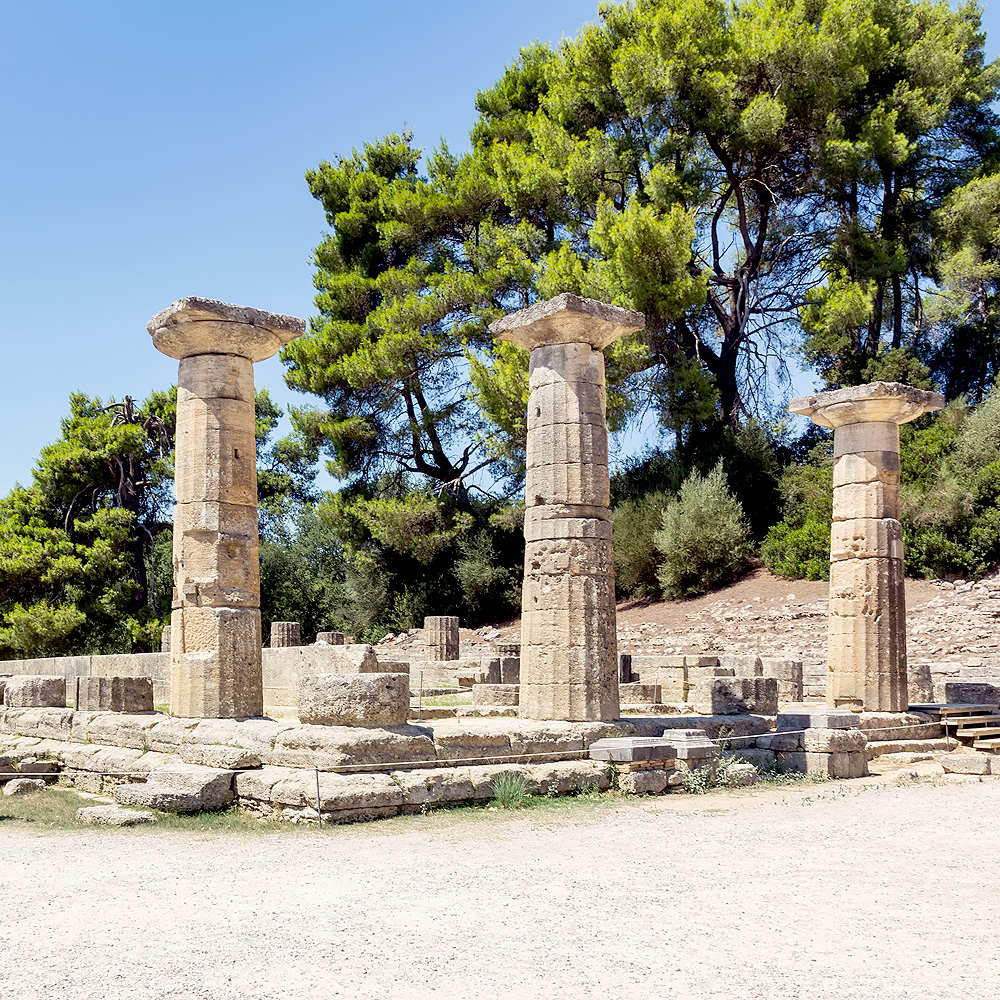
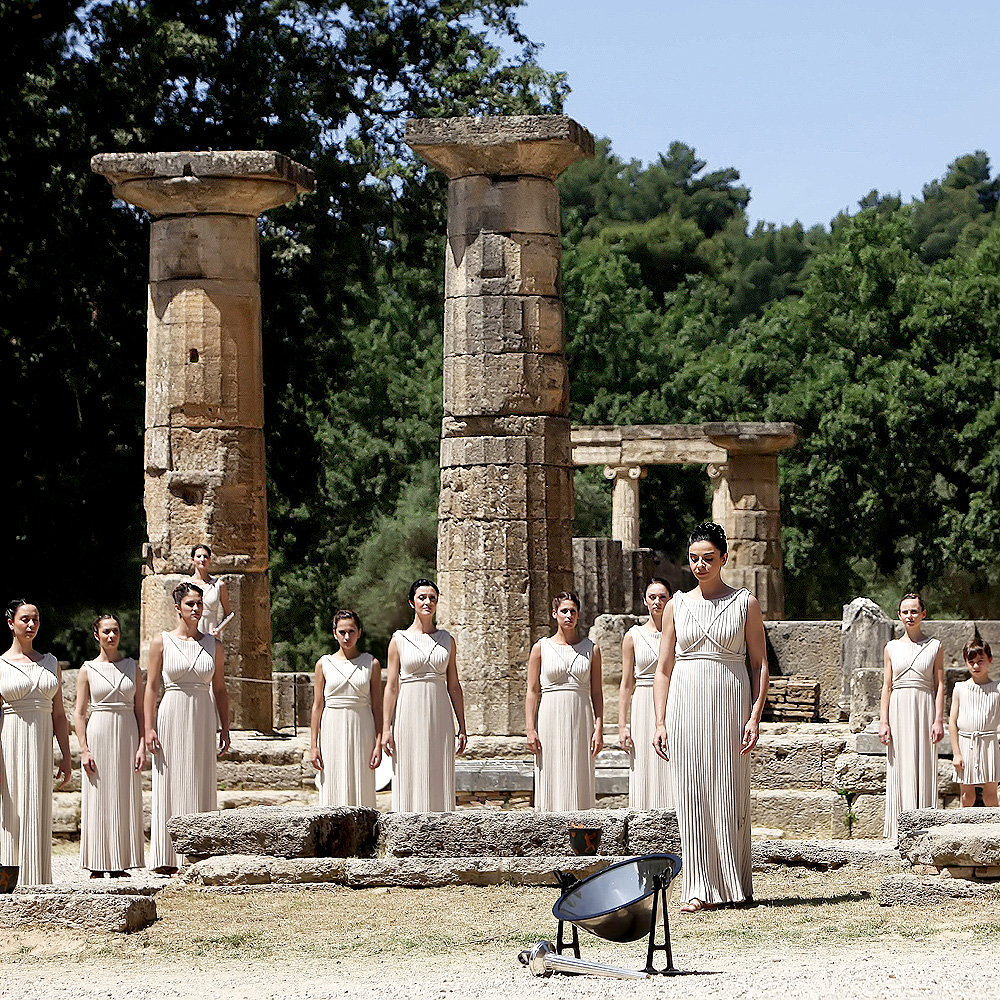
Located in the western Peloponnese region of Greece, is an archaeological site steeped in the glory and legacy of the ancient Olympic Games.
As the birthplace of the Olympic Games, which began in 776 BC, Olympia holds immense historical and cultural significance. The site was dedicated to Zeus, the king of the Greek gods, and encompassed various structures, including the Temple of Zeus, which housed the renowned gold and ivory statue of Zeus, one of the Seven Wonders of the Ancient World.
The Birthplace of the Olympic Games
Ancient Olympia
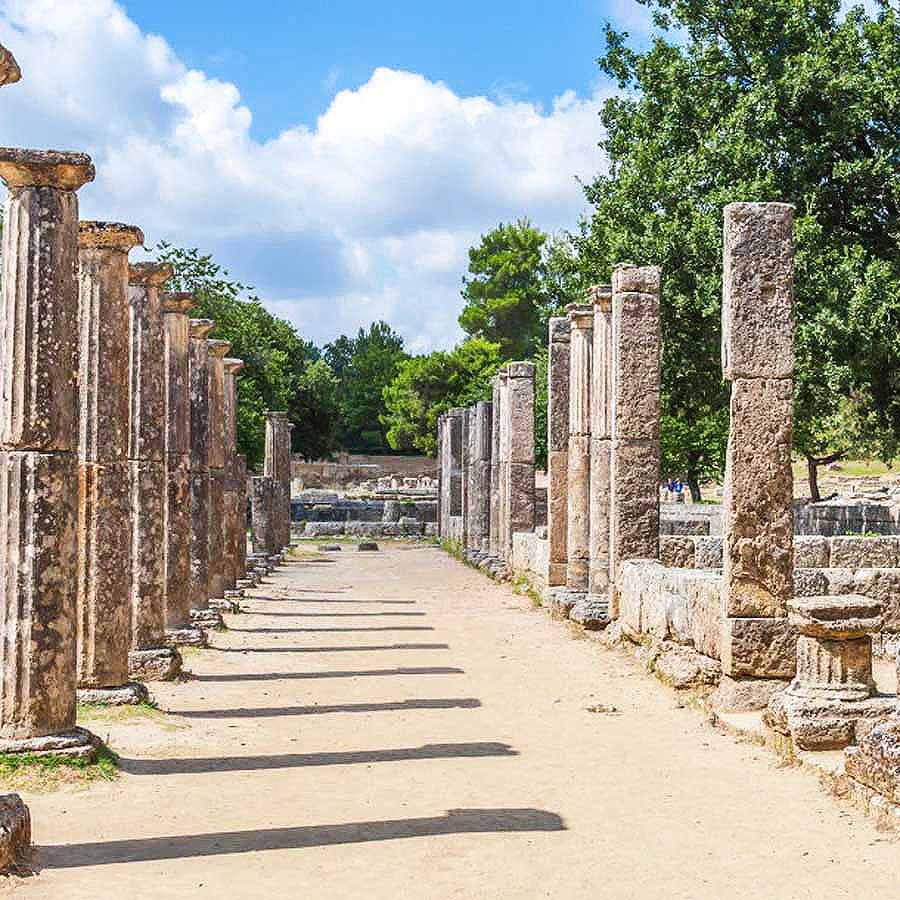
The stadium, where the athletic competitions took place, stands as a testament to the ancient sporting spirit. Other notable structures include the Philippeion, an elegant circular monument dedicated to Philip II of Macedon, and the Palaestra, a training ground for the athletes. Olympia also featured a variety of treasuries built by city-states to display their offerings to the gods. The site's archaeological museum preserves and showcases numerous artifacts, such as statues, pottery, and ancient Olympic artifacts.
Athletic Heritage
Today, visitors can explore the remnants of this ancient site, envisioning the grandeur of the Olympic Games and gaining insight into the rich cultural and athletic heritage of ancient Greece.
In need of a smooth, stress-free transfer experience?
In need of a smooth, stress-free transfer experience? At Transfer Gems, we are dedicated to providing top-notch services that will exceed your expectations!